Geography Field Work – May 2026
Our Year 8, 10 and 12 Geographers have been out and about on various field trips to Dunwich, Aldeburgh and Felixstowe respectively. Our report from Mrs Gill our Head of Geography, shares more details about each of them.
Mrs Gill, Head of Geography
“The Geography department have been making the most of the (mostly) Spring sunshine (apologies Year 12 who had more than a little rain!) to embark on various field trips in the local area.
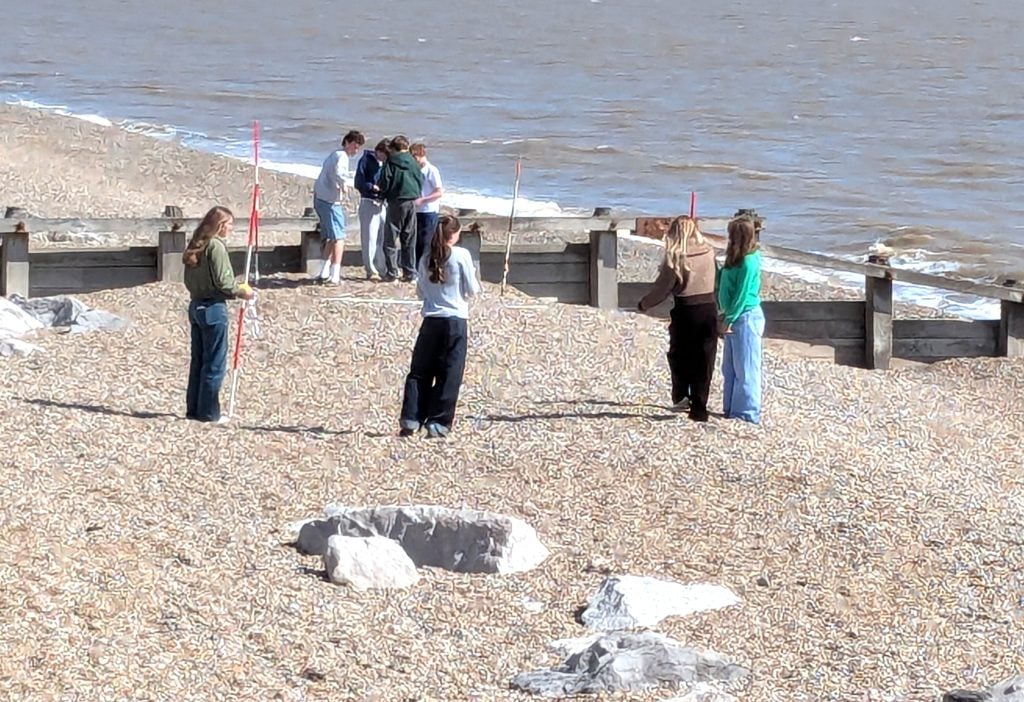
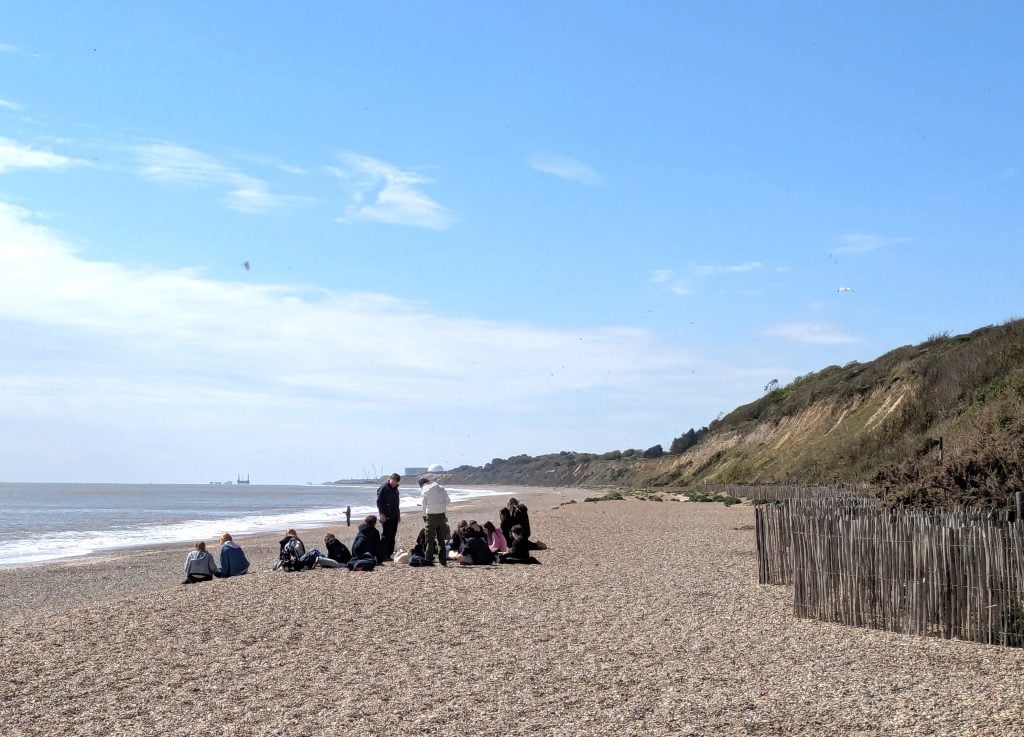
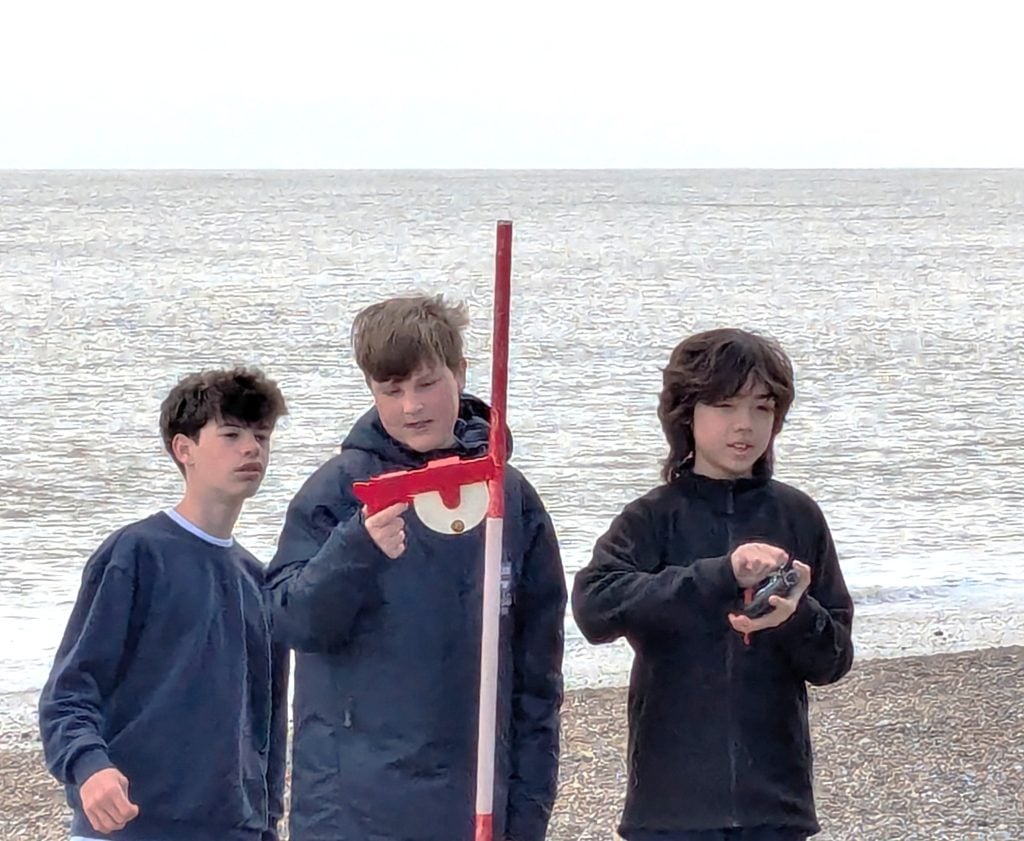
Year 8 arrived on the beach at Dunwich to try to identify what processes are occurring and if erosion is still happening. They measured beach profiles, sediment characteristics, wave types, rates of longshore drift and drew field sketches. They also learned a little about the history of this once great medieval city – now a village of less than 200 people – all because of erosion! In paper 3 of the GCSE exam, students are questioned about fieldwork techniques, such as sampling strategies, and have to use their own experience to answer questions on the accuracy and reliability of their data collection methods and assessment of the validity of their conclusions.
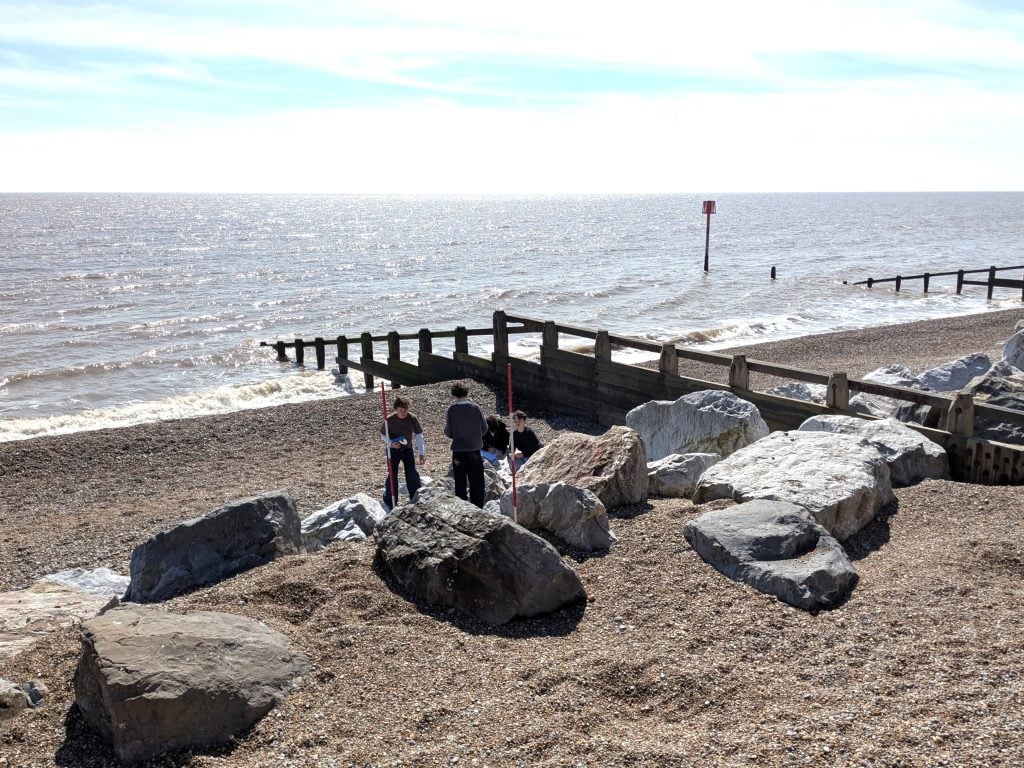
The coastal defences to the south of Aldeburgh provided an excellent opportunity for Year 10 to see if the groynes, seawall and riprap are effective and to find out what other alternatives might be being considered. It was a little overcast and cool but students eventually collected the data required to write up their enquiry.
Year 12 were at Felixstowe completing two different pieces of fieldwork. Firstly, they walked a transect through the town and along the prom, investigating the theory of rebranding. UK seaside towns have declined as tourism destinations, and they have had to reinvent themselves for both visitors and residents; this part of the investigation was to identify what has been done in Felixstowe. After a fish and chip lunch, the very damp Year 12 geographers took soggy measurements to answer the question ‘To what extent do beaches between groynes conform to a typical model diagram?’
The constant rain meant that sadly there are no photos of our very resilient Year 12 students, but it’s such a valuable learning opportunity – a chance to practise fieldwork techniques, learn new ways of collecting different types of data and also to confirm and question ideas learned in the classroom. The formal writing up of their investigations also reinforces good enquiry structure for when students complete their own individual investigation, worth up to 20% of their actual A level.”